
Moving Through Home Again
By Yasmine
Just as I was preparing for my first trip back to Palestine in ten years, I received an offer to serve as UNRWA USA’s Communications Intern for Spring of 2026—a role that holds deep personal meaning and significance to me. Visiting my family in Palestine so often in my youth exposed me to UNRWA’s critical work. It wasn’t something I knew from afar; UN vehicles parked outside our family home were a friendly sight, connecting my relatives to their jobs across UNRWA schools, clinics, and operations. Only later did I begin to fully comprehend the weight of their presence and work.
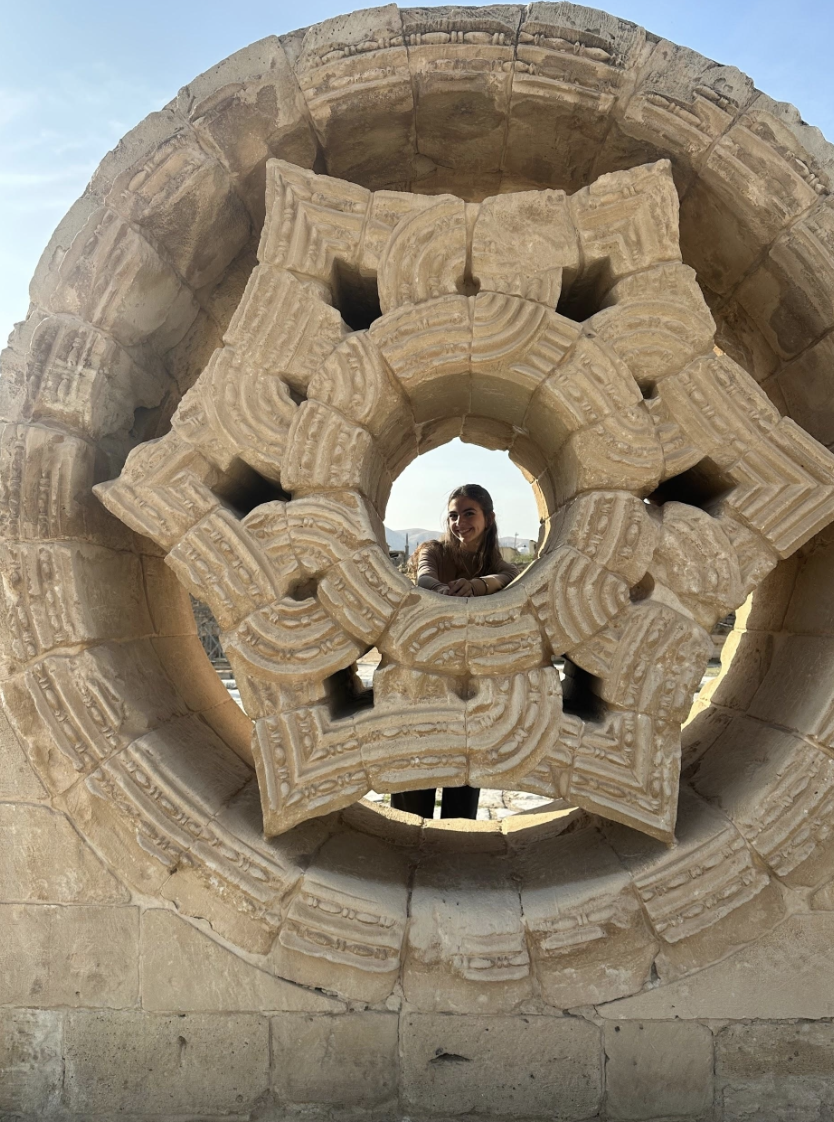
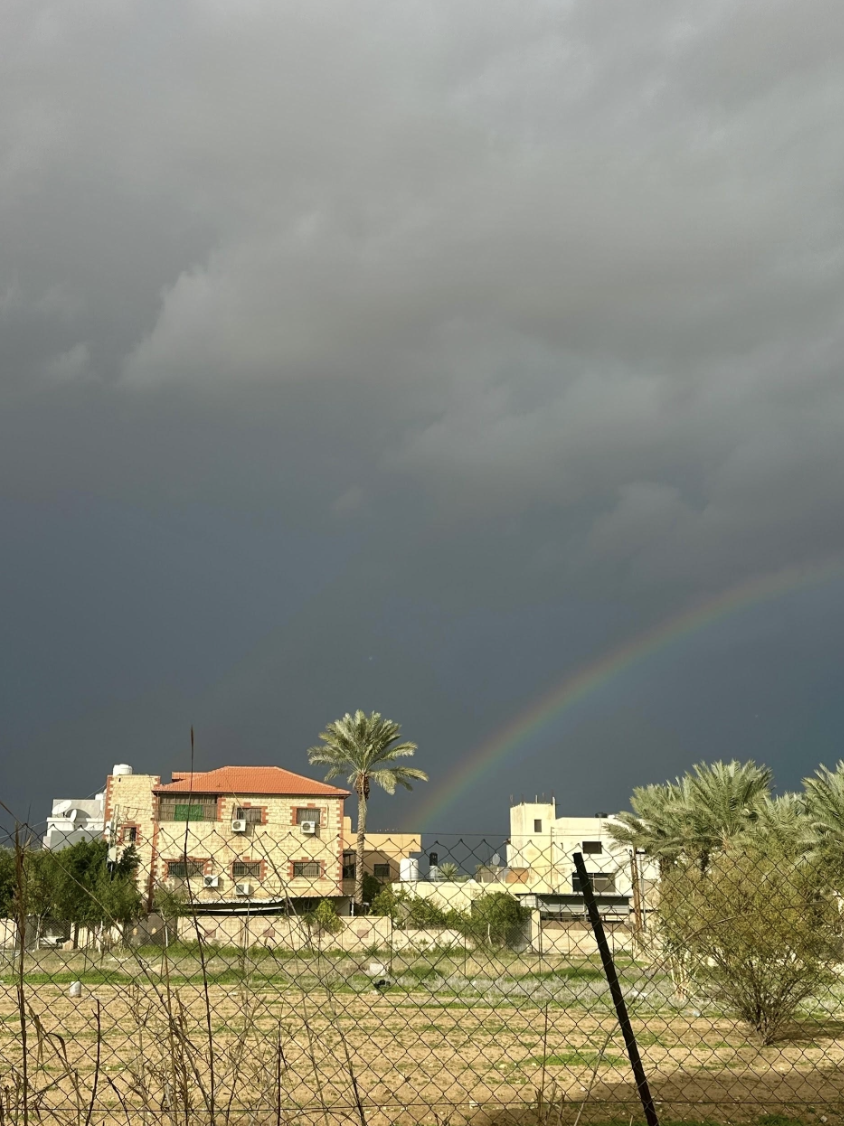
As we began the drive to my grandparents’ home in Jericho, I found my eyes glued to the window as I tried to take mental pictures of what felt like every piece of the land. I somehow forgot to take photos on that drive, and instead sat with the moment as it unfolded. The Palestinian diaspora is not unfamiliar to the reality that, by design, it is difficult to travel to Palestine. The last two and half years of what experts know to be a genocide have exacerbated unpredictability in the region, further emphasizing how special it was for me to visit; and yet, not knowing when I will be able to come back. Seeing my family at the gates of our home felt surreal. They knew me as a child and since then through a phone screen, and I didn’t know how I was going to make up for lost time. The air smelled the same as it did when I was twelve, and the garden containing an abundance of both flowers and cats at the entrance to our home welcomed me in the same quiet way they always have.
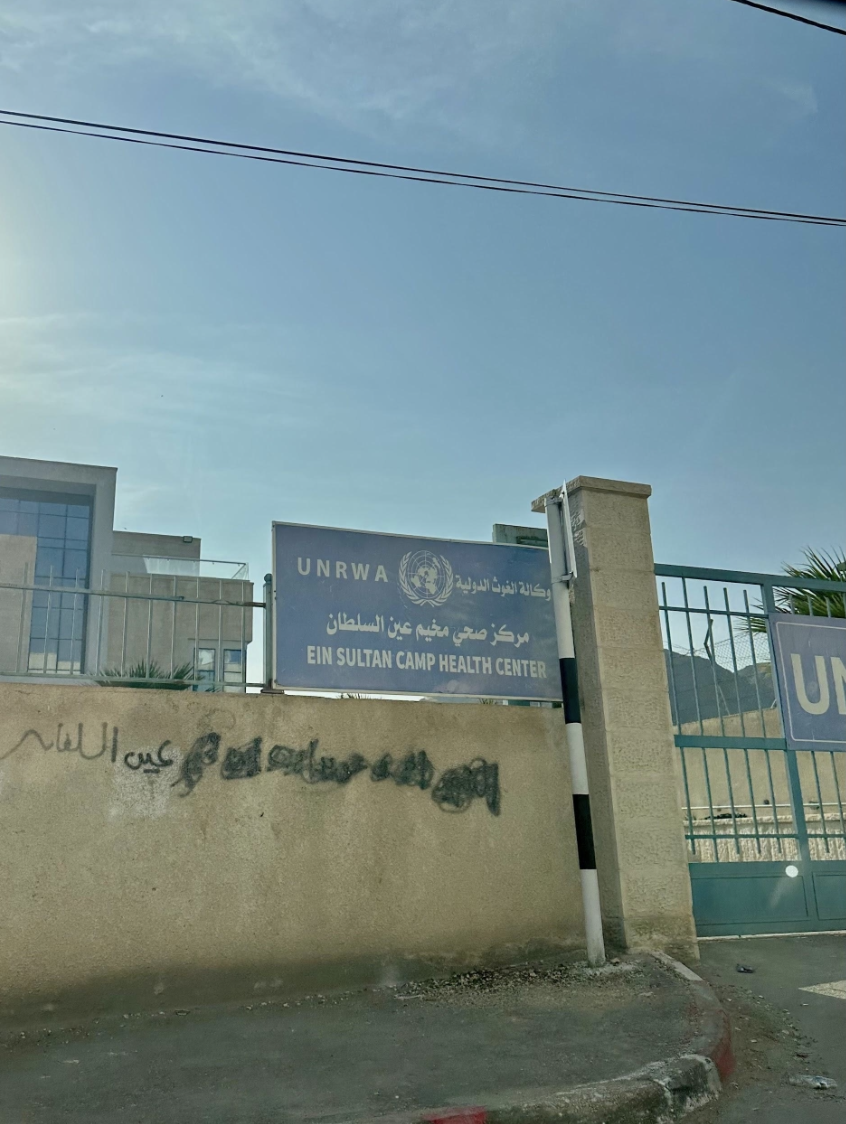
Moving from city to city and seeing all of the new cafes, businesses, and initiatives incited a deep sense of pride in how our people continue to expand despite the hindering realities of the occupation. The continuity of UNRWA signs, work, and buildings stood out to me more clearly on this trip. When I was young, I saw the evidence of UNRWA’s work as something ordinary, however now—even more so in the last couple of years —I see that work as irreplaceable. UNRWA is the largest humanitarian organization on the ground in Gaza, and serves as a reminder to the international community of its obligations to protect Palestinian refugees. More than 934,000 registered Palestine refugees live in the occupied West Bank, including East Jerusalem, with around 25% of the people registered with UNRWA living across the 19 refugee camps.
“UNRWA centers were never just institutions,
they were real places where loved ones spent their days.”
For generations, UNRWA has provided essential services, including education, healthcare, relief and social protection, infrastructure, environmental health, and microfinance programs. The occupied West Bank contains the highest number of officially recognized refugee camps across UNRWA’s five fields of operation, with many other registered refugees living in rural and urban communities. My great aunts served as UNRWA secretaries and nurses, my cousin as a contractor, and my aunt with human resources—and because of them, UNRWA centers were never just institutions, they were real places where loved ones spent their days. In Jericho, I was taken through Ein el-Sultan refugee camp, where I got to observe the UNRWA school, health, and distribution centers where some of my family works. When I see these institutions now, I don’t just see an organization, I see a lived experience.
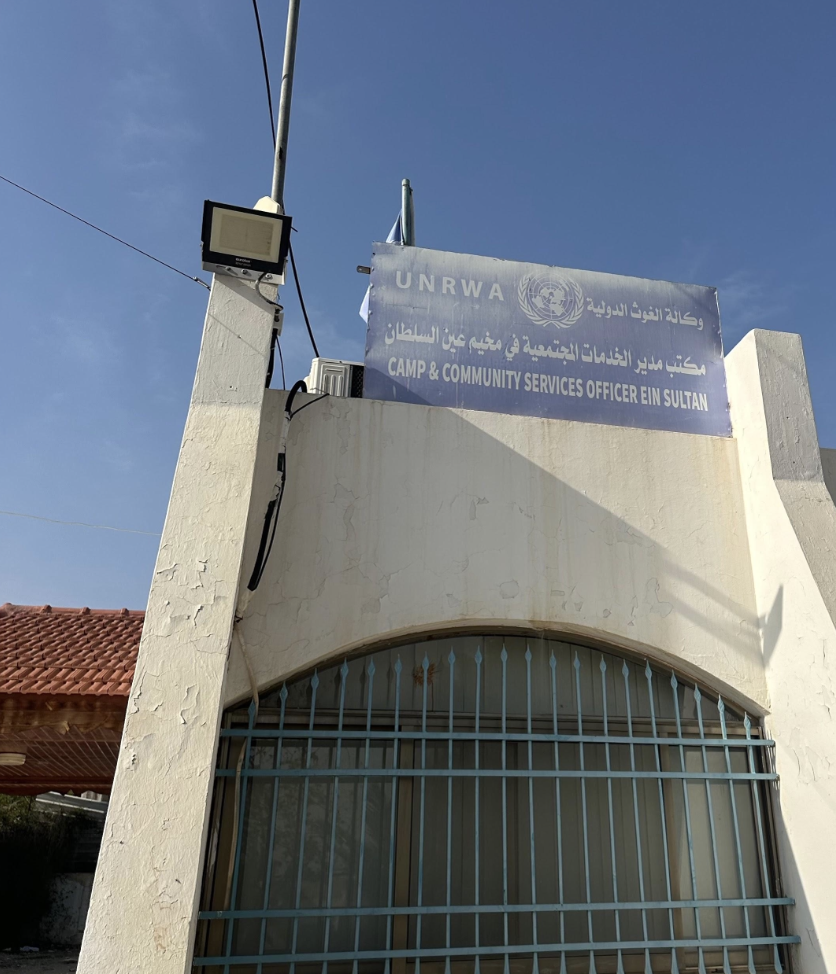
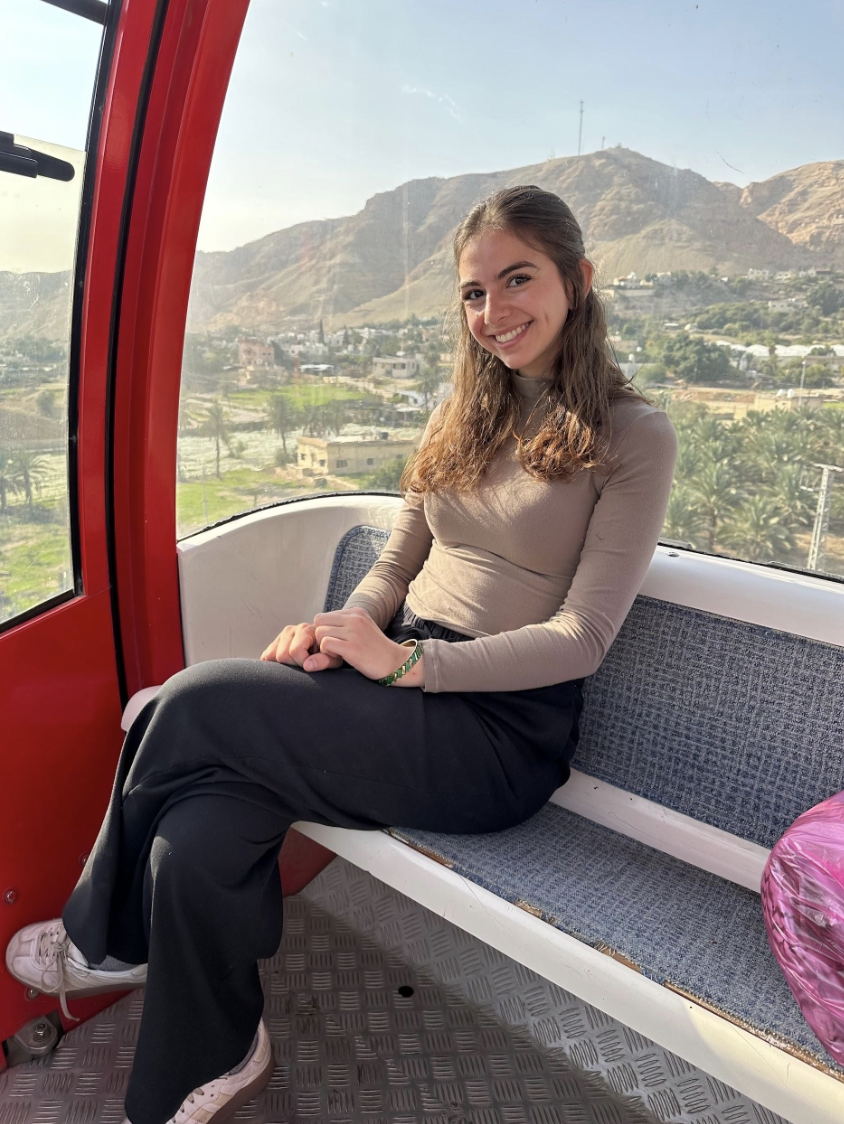
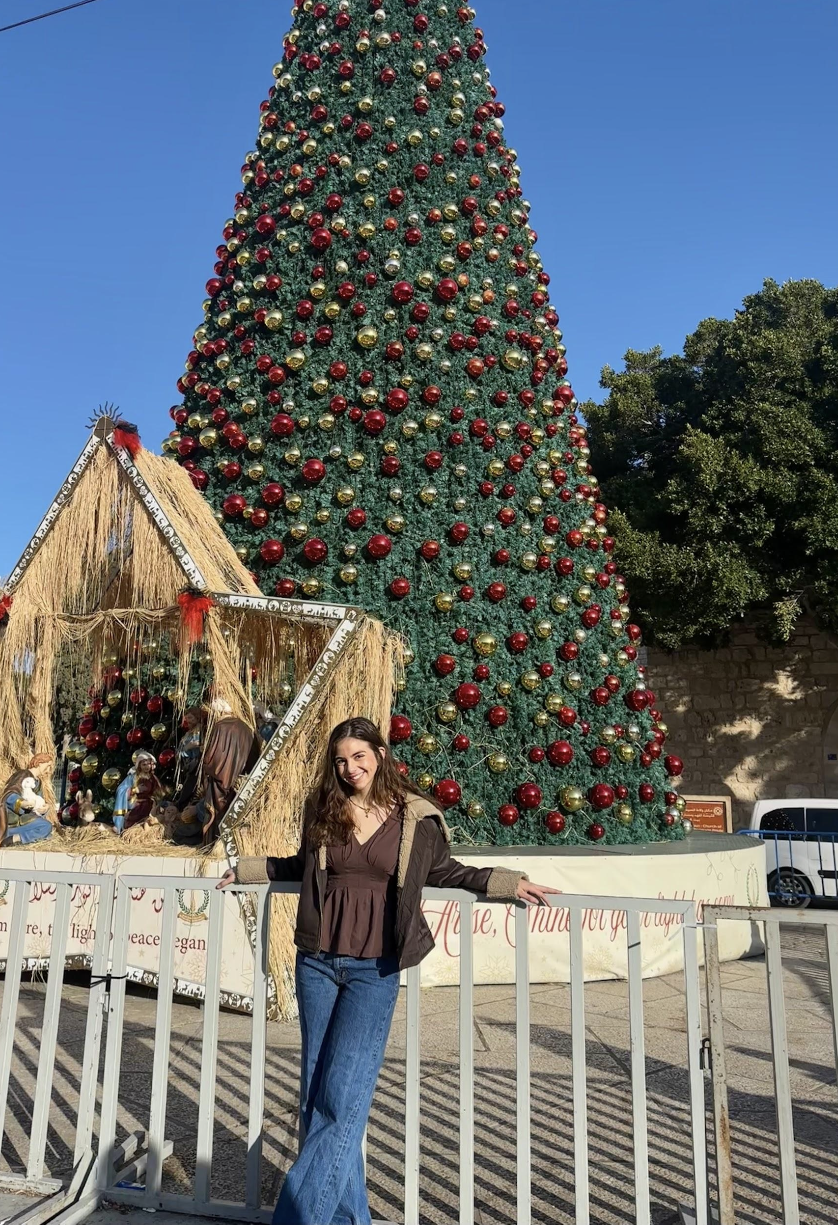
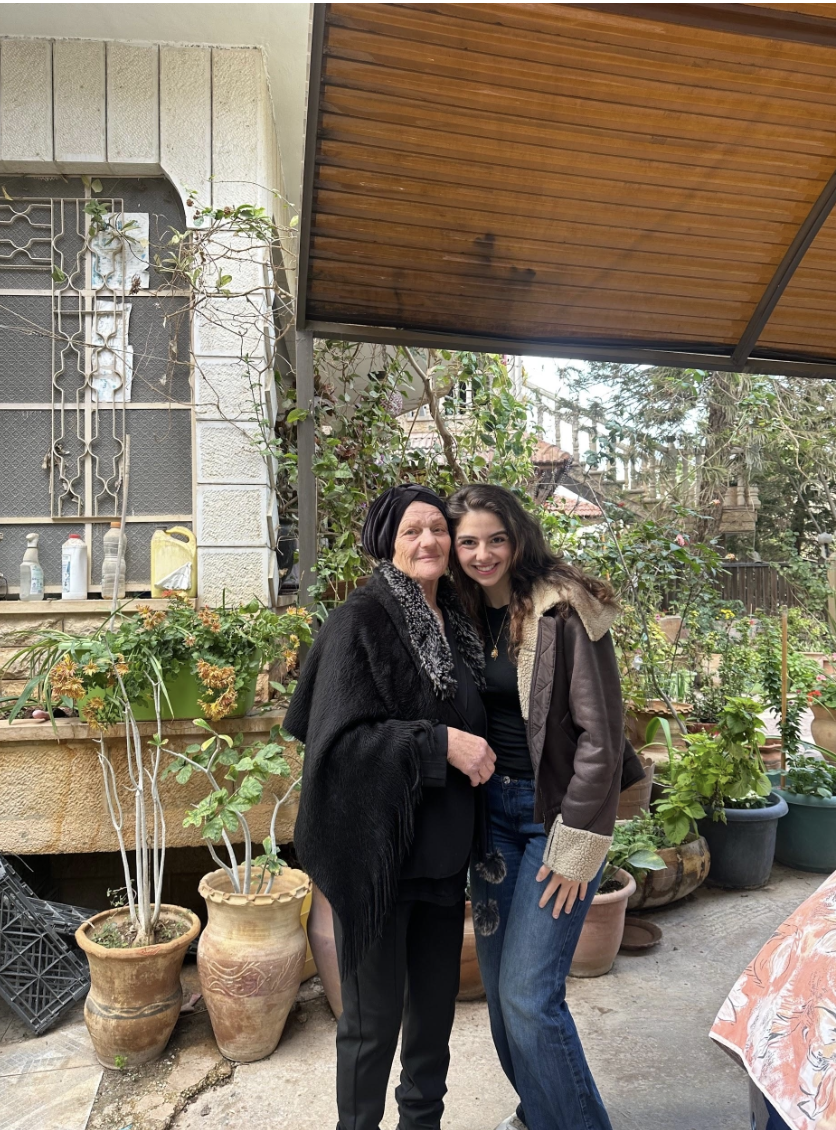
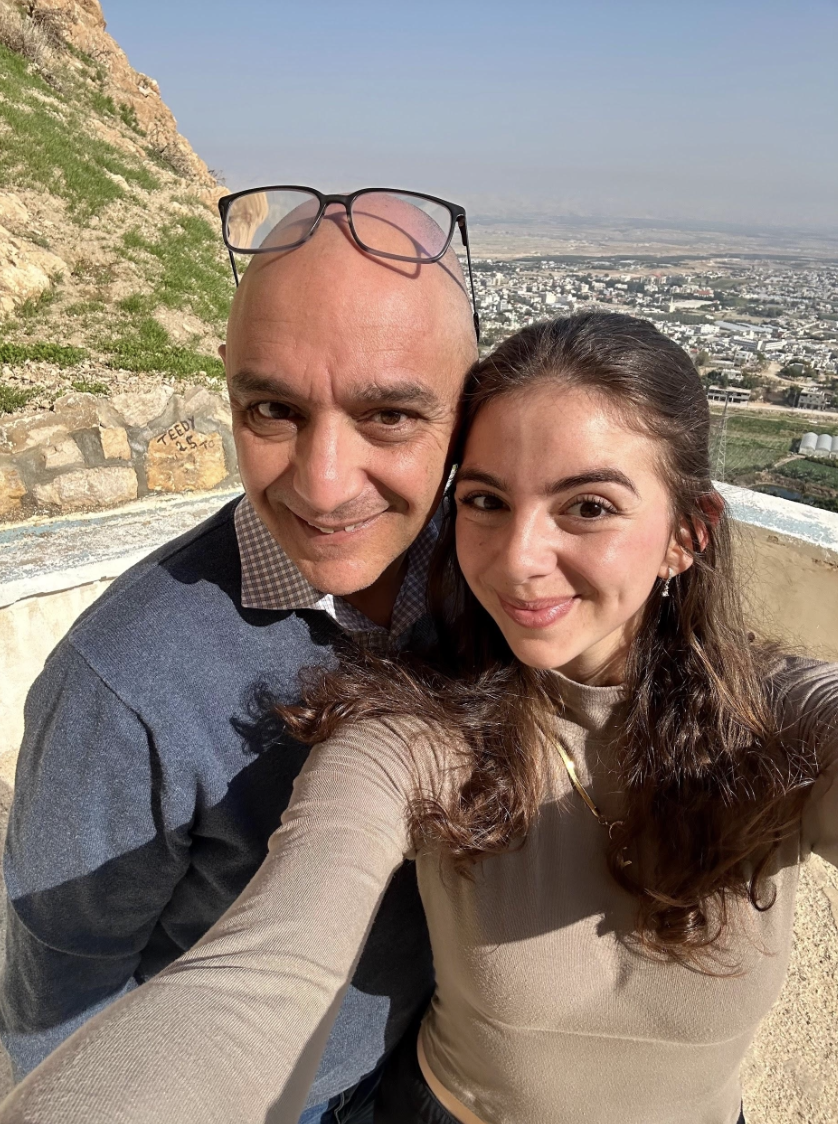
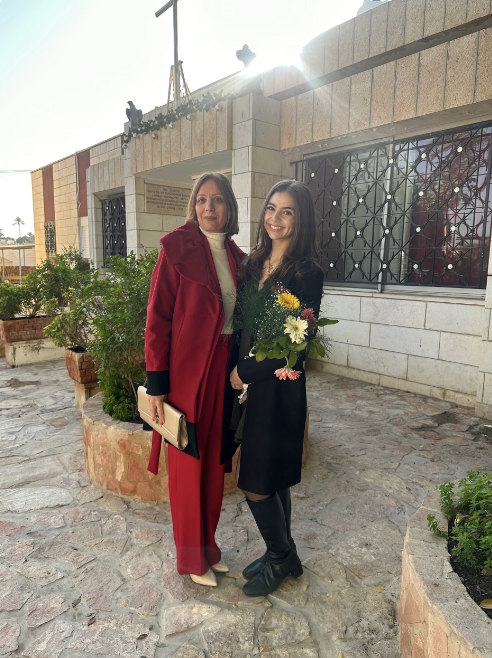
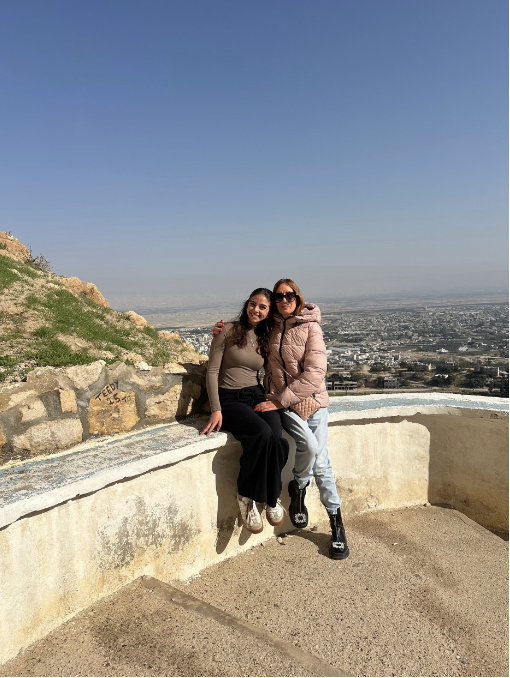
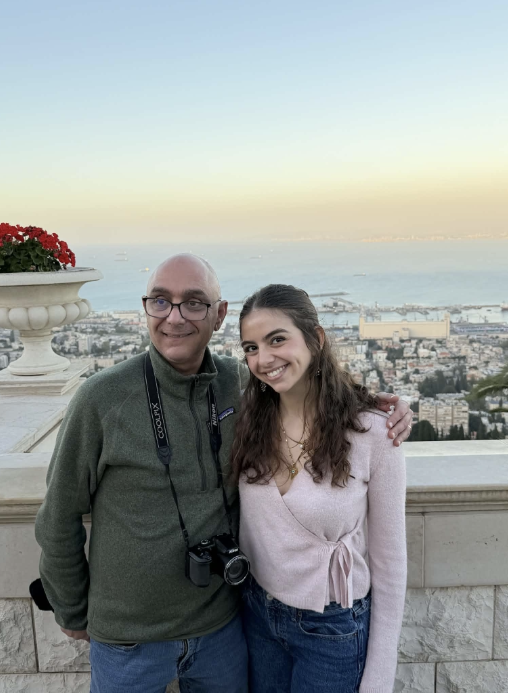
During my trip, we heard continuous news updates regarding efforts to demolish the UNRWA Headquarters in occupied East Jerusalem. This follows a precedent set by Israel’s parliament in 2024, barring UNRWA from operating in Israeli controlled areas. The UNRWA Headquarters in East Jerusalem is a place where my family members often worked—and what stood out to me was their sadness that culminated into a shrug, signifying how normal it has become to bear witness to the slow dismantling of institutions meant to maintain life.
Less than a week after I returned back to the U.S., the UNRWA Headquarters was completely demolished, setting a dangerous precedent for a deliberate pattern that has been ongoing for several years. Hearing this news right after I had just returned from there, made the destruction feel immediate and intimate—not like a distant headline, but like the erasure of a place that held the memories and labor of generations of families, including mine. Two weeks prior to the demolition, Israeli authorities entered a health facility in East Jerusalem and forced it to close. In the West Bank alone, there are close to 900,000 annual patient visits across the 43 primary health facilities.
UNRWA serves as a lifeline for Palestine refugees, not only in the West Bank, but across the region. Under persistent threat, now more than ever does UNRWA’s work feel increasingly fragile and intentional. This work has always been personal to me, but knowing I was going to come back from Palestine to continue the mission with UNRWA USA deepened my urgent concern for the places where life-sustaining work takes place. UNRWA USA serves such a unique role in the fight for dignified living for Palestine refugees, and I am proud to contribute to work that safeguards both essential services, and the humanity and continuity of an entire people.
The night I left Palestine felt heavier than the night I arrived. I had to accept that the situation on the ground changes so quickly, and I don’t know when I will be back. As we went from city to city in the West Bank, signs of UNRWA were constant. This organization is not just something that exists in buildings, but in the people and care that move through them.
Despite the years of targeted attacks, UNRWA continues to operate.
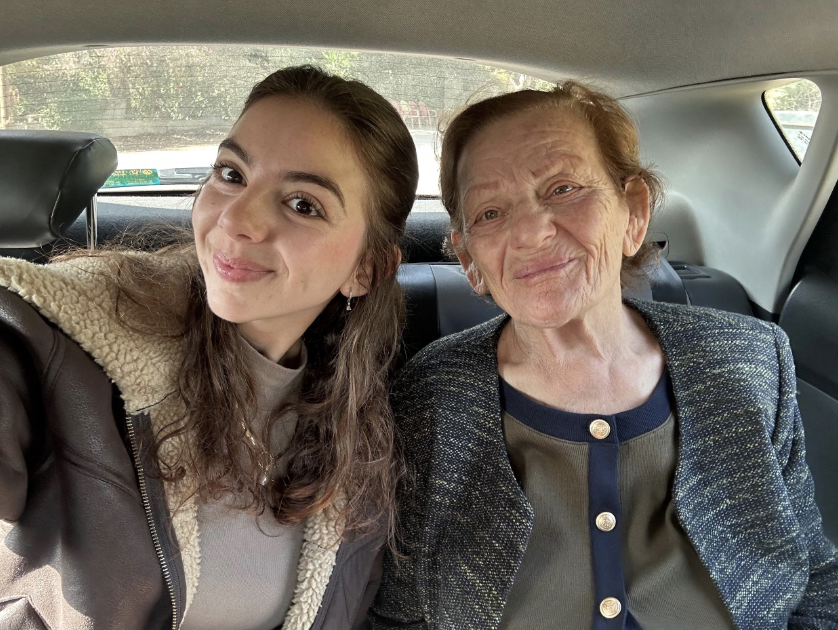
Being able to travel to Palestine to see my grandmother, and spend time with my cousins, aunts, and uncles was a reminder that I come from some of the strongest, smartest, and most resilient people in the world. Moving through home again meant carrying this awareness with me as I left, and leaving with a desire for change larger than when I arrived. I came home with an increased drive for meaningful action, and I look forward to seeing how that desire for change is channeled through my work at UNRWA USA—showing the world that the rights of Palestine refugees will endure, and that UNRWA’s work will continue until there is a just and lasting political solution to their plight.
Sustain unrwa’s life-saving work today
If this story touched you and you are able, make a gift to UNRWA USA. And if you can’t give today, share these stories.
